
Understanding gambling addiction The hidden struggles and pathways to recovery
Understanding gambling addiction The hidden struggles and pathways to recovery
Defining Gambling Addiction
Gambling addiction, often referred to as compulsive gambling or pathological gambling, is a behavioral addiction characterized by an uncontrollable urge to gamble despite the negative consequences. Individuals struggling with this addiction often prioritize gambling over essential aspects of life, leading to financial distress, strained relationships, and emotional turmoil. Understanding the psychological and emotional triggers behind this addiction is crucial for both those affected and their loved ones. Exploring brand new casinos can help players become aware of safer alternatives for entertainment.
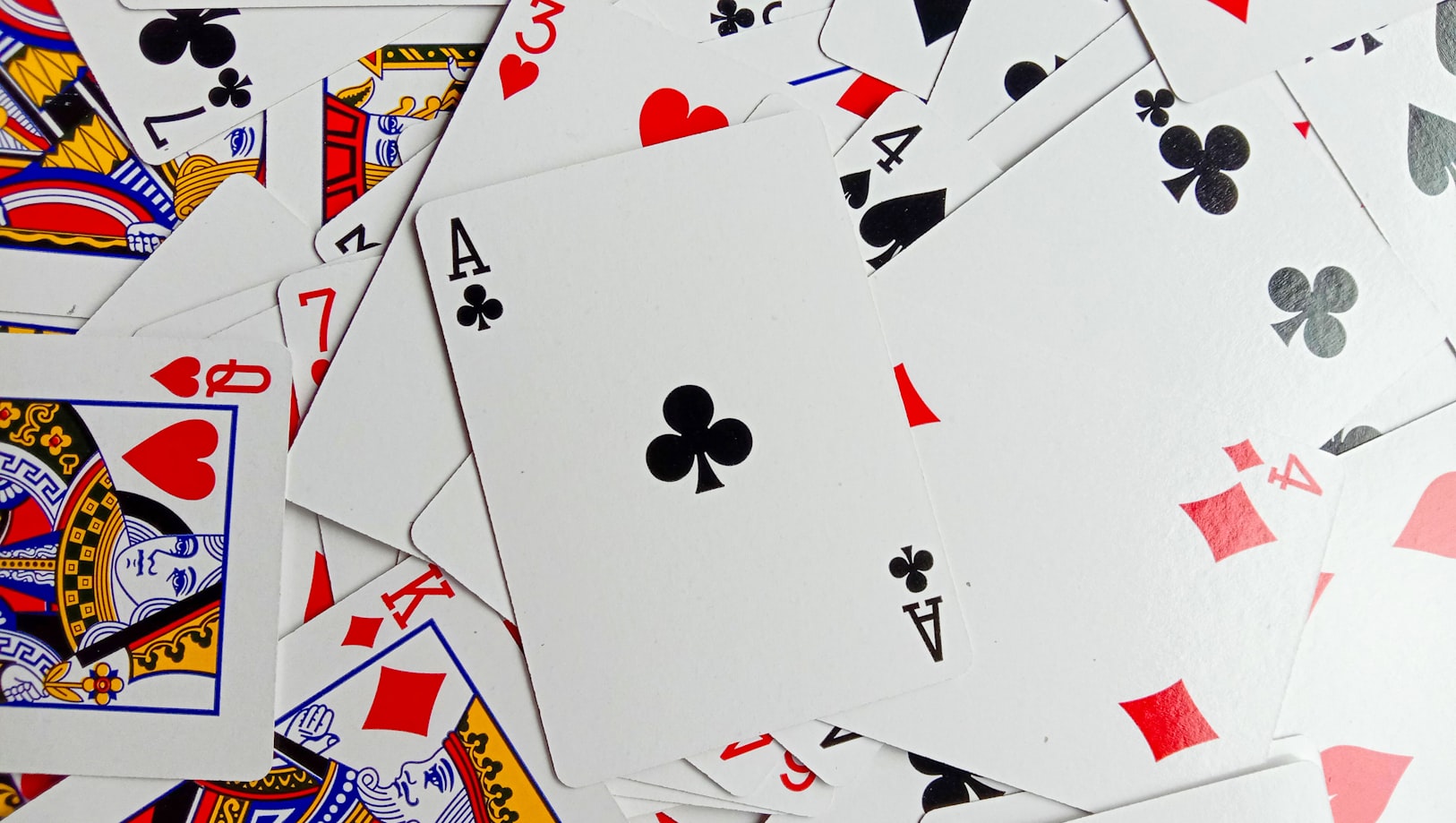
The allure of gambling often stems from the excitement and thrill it provides. Many individuals are drawn to the potential for significant financial gain, yet this desire can quickly spiral into a destructive cycle. The anticipation of winning often clouds judgment, leading to repeated attempts to reclaim losses, further entrenching the individual in their addiction.
Psychological Factors Contributing to Addiction
The psychology of gambling addiction is complex and multifaceted. It frequently involves a mix of cognitive distortions, emotional issues, and personality traits. Cognitive distortions include beliefs such as the gambler’s fallacy, where individuals believe that past losses affect future outcomes, leading them to chase losses with increased bets. These flawed thought patterns can trap individuals in a vicious cycle.
Emotional factors also play a significant role. Many gamblers use gambling as a coping mechanism for underlying issues such as stress, anxiety, or depression. The temporary escape that gambling offers can become a dangerous crutch, making it difficult for individuals to confront their emotions and seek healthier coping strategies.
The Consequences of Gambling Addiction
The repercussions of gambling addiction extend far beyond the individual. Financial difficulties are often the most immediate and visible consequence. Many individuals may exhaust savings, accrue debt, or even resort to illegal activities to fund their gambling habits. These financial strains can lead to significant stress and anxiety, creating a feedback loop that exacerbates the addiction.
Relationships are also severely impacted by gambling addiction. Family members may feel betrayed or deceived, leading to conflict and breakdowns in communication. The stigma surrounding gambling addiction can isolate individuals further, making it even more challenging to seek help and maintain supportive relationships.
Pathways to Recovery
Recovery from gambling addiction is possible, although it often requires a comprehensive approach involving psychological support, education, and sometimes medication. Counseling and therapy, particularly cognitive-behavioral therapy (CBT), can be particularly effective in addressing the underlying issues contributing to the addiction. CBT focuses on changing harmful thought patterns and developing healthier coping mechanisms.
Support groups, such as Gamblers Anonymous, provide community and understanding for those seeking to overcome their addiction. Sharing experiences with others who have faced similar struggles can foster hope and encouragement. Recovery is not a one-size-fits-all journey; individuals often need to explore various resources and strategies to find what works best for them.

Resources and Support Available
For those seeking to understand and combat gambling addiction, numerous resources are available. Websites dedicated to gambling addiction provide valuable information on recognizing the signs, understanding the recovery process, and finding local support services. These platforms often feature expert articles, personal testimonies, and directories of treatment facilities.
Moreover, many online communities allow individuals to connect with others on similar journeys. These spaces can serve as a refuge for sharing experiences and obtaining advice while fostering a sense of belonging. It is essential for anyone affected by gambling addiction to remember that they are not alone and that help is accessible.