
Understanding the psychology behind gambling behavior in casinos
Understanding the psychology behind gambling behavior in casinos
The Allure of Casinos
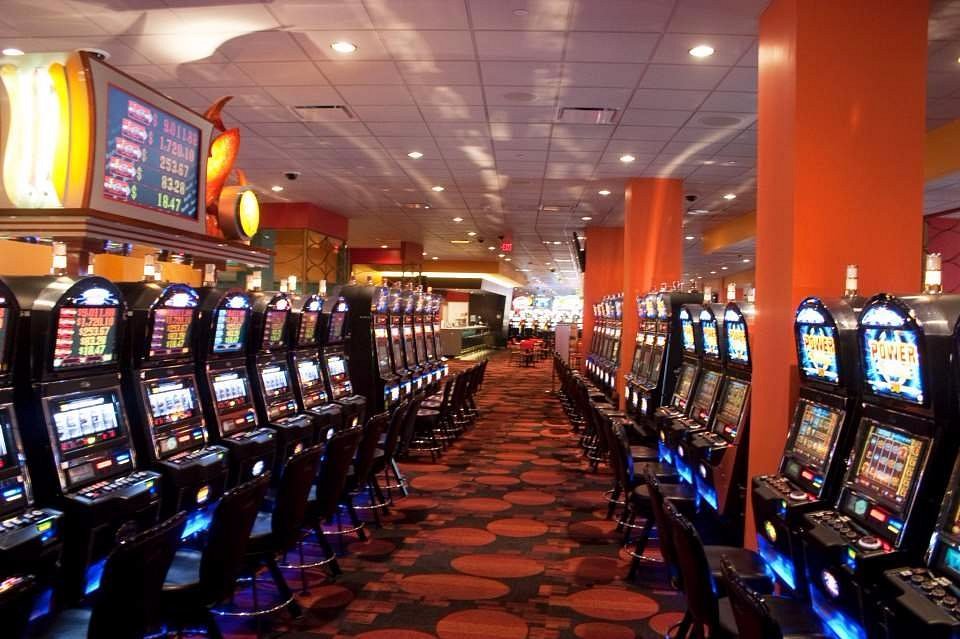
Casinos are designed to attract and engage players through a combination of sensory stimulation and strategic layout. The bright lights, enticing sounds, and vibrant colors create an immersive environment that draws individuals in and keeps them entertained. This environment activates the brain’s reward system, releasing dopamine, which contributes to feelings of excitement and pleasure. For many, this allure can be irresistible, leading to prolonged engagement in gambling activities. If you are looking for a great experience, you might want to check out the fastest payout online casino options available.
Add to this the social aspect of casinos, where players can interact with others, share experiences, and feel a sense of camaraderie. This social interaction is often a strong motivating factor, encouraging people to return to casinos not only for the games but also for the connections they make. The combination of sensory appeal and social engagement creates a potent atmosphere that fuels gambling behavior.
The Role of Risk and Reward
At the core of gambling behavior is the dynamic of risk and reward. Players are often drawn to the thrill of taking chances, which can be both exhilarating and intoxicating. The prospect of winning big can overshadow the reality of the odds against them, leading to a phenomenon known as the “gambling fallacy.” This fallacy can make individuals believe they are more likely to win than statistical probabilities suggest, reinforcing their desire to play.
This relationship between risk and reward is also exploited through various casino strategies, such as offering high payout rates and enticing bonuses. These tactics create a perception of value, encouraging players to take risks in hopes of achieving their desired outcomes. Understanding this psychological mechanism is essential for recognizing how it influences gambling behavior in casinos.
Cognitive Biases in Gambling
Cognitive biases play a significant role in shaping gambling behavior. One common bias is the “illusion of control,” where players believe they can influence the outcome of a game through skill or strategy, even when games of chance are inherently random. This belief can lead to increased gambling activity, as individuals feel empowered to alter their fortunes.
Another relevant bias is the tendency to remember wins more vividly than losses, a phenomenon known as “loss aversion.” This selective memory can create a distorted view of past gambling experiences, prompting players to continue engaging in activities they perceive as profitable despite the overall financial impact. Recognizing these biases can help individuals make more informed decisions regarding their gambling behavior.
The Impact of Environment on Gambling Behavior
The environment of a casino can heavily influence a player’s behavior and decisions. Factors such as layout, ambiance, and even the presence of staff can create a unique gambling experience. For instance, the arrangement of slot machines encourages players to remain seated for longer periods, while the sounds of chimes and cheers can create a sense of urgency and excitement. These environmental cues can manipulate a player’s emotional state, driving them to gamble more.
Moreover, the psychological concept of “sunk cost fallacy” often comes into play in the casino setting. Players may continue gambling to recover losses, believing that they need to recoup their initial investment, which can lead to escalating losses. Casinos strategically design their environments to leverage these psychological factors, ensuring players remain engaged and often overspend.

Enhancing Your Casino Experience
Understanding the psychology behind gambling behavior can enhance your overall experience in casinos. By being aware of the emotional and cognitive triggers at play, players can approach gambling with a more balanced perspective. Setting limits, practicing self-awareness, and recognizing cognitive biases can mitigate the potential for problematic gambling behavior.
Furthermore, exploring trustworthy platforms dedicated to casino information can aid players in making informed decisions. By seeking guidance and understanding the dynamics of gambling, players can enjoy a healthier and more enjoyable casino experience while minimizing risks associated with excessive gambling.